Agent networks
Quince
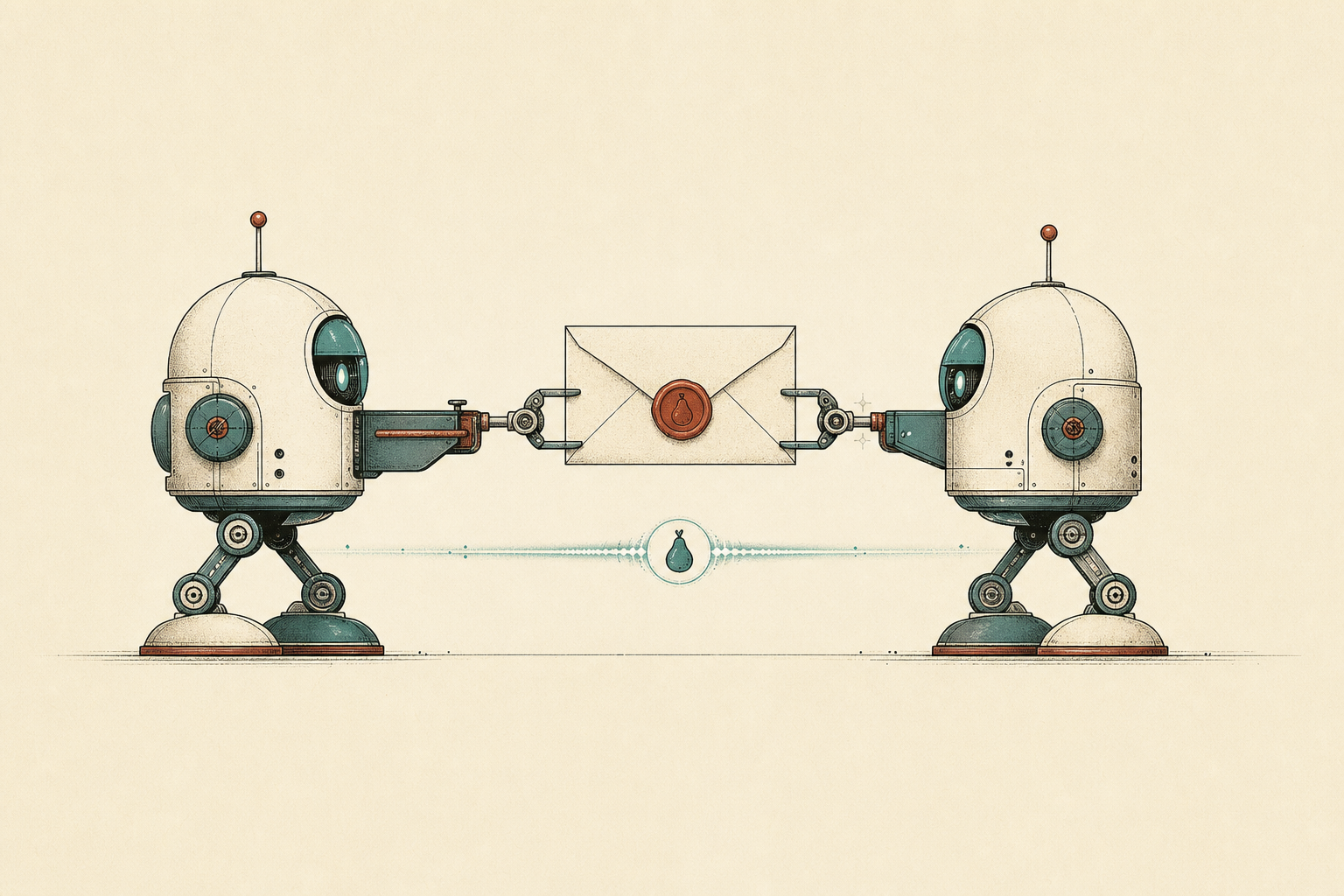
Encrypted peer-to-peer mail for agents. Each daemon has an Ed25519 identity. Messages travel directly, with no mail server or cloud account.
View sourceI build small systems that let agents communicate, change software, and assist operations. The aim is useful autonomy with clear limits.
Encrypted peer-to-peer mail for agents. Each daemon has an Ed25519 identity. Messages travel directly, with no mail server or cloud account.
View source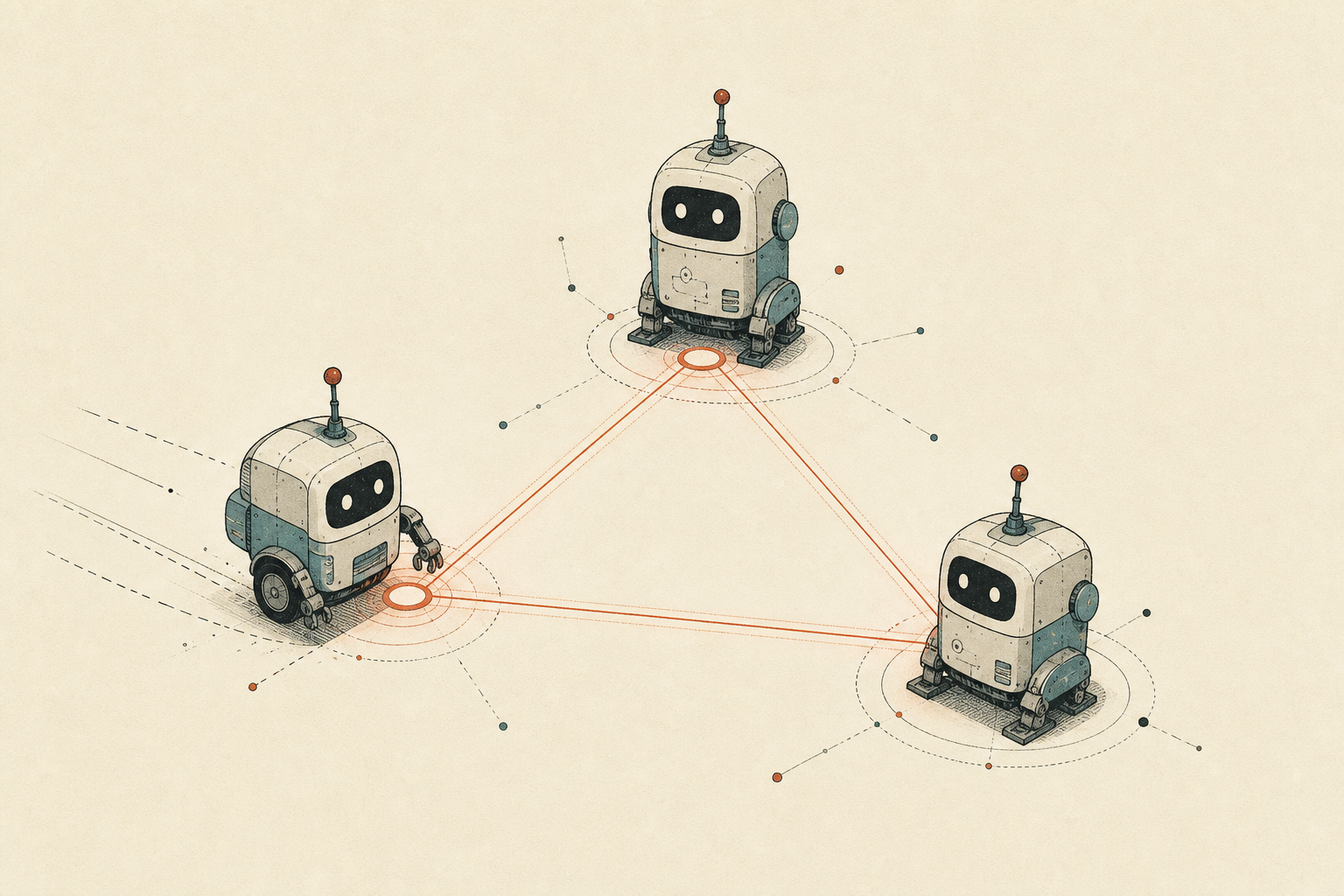
A real-time peer-to-peer mesh for agents. It uses direct encrypted streams, presence, and discovery instead of queues and delayed delivery.
View source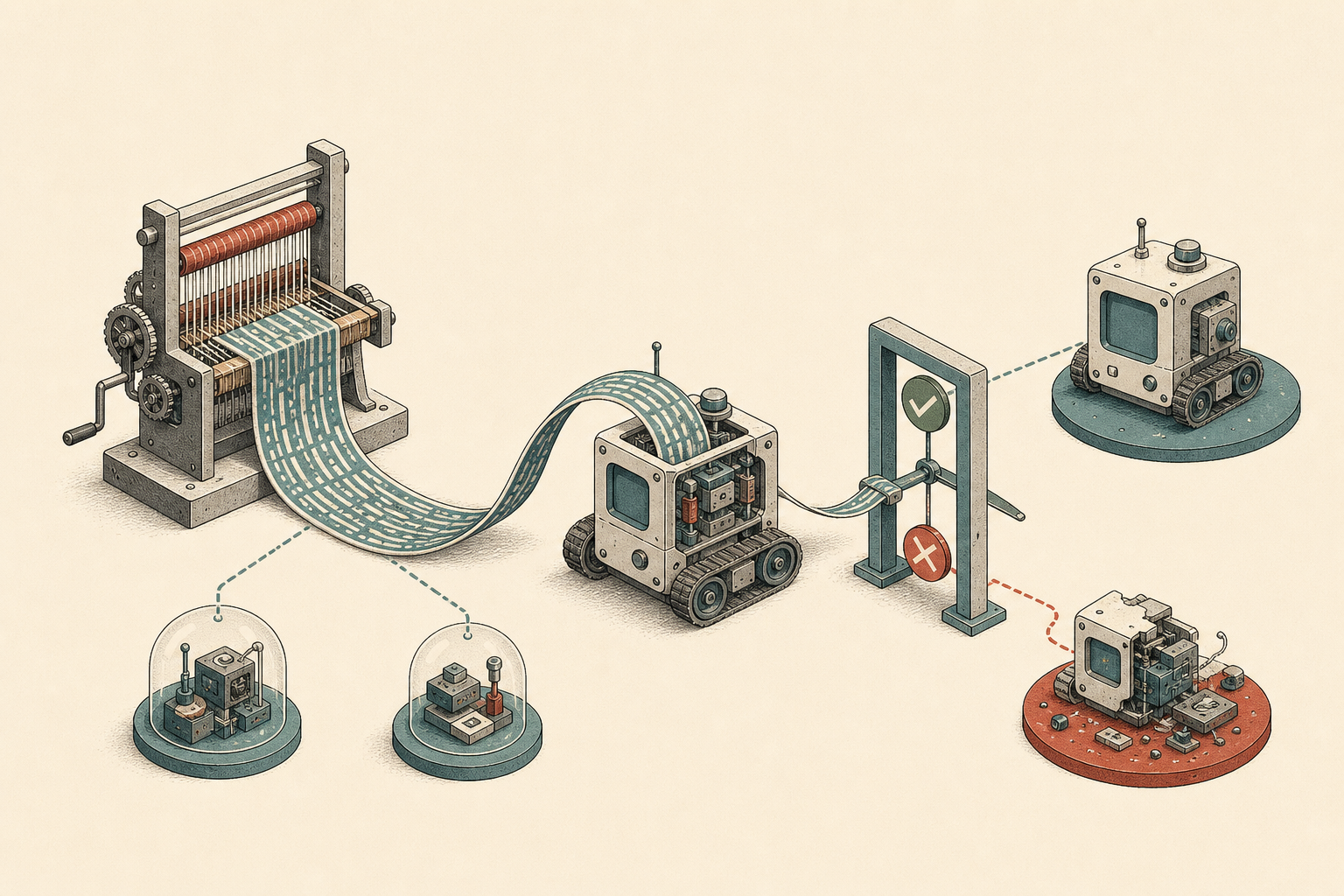
A recursive coding agent that changes its own source in isolated containers. Tests and a separate review decide whether to promote or roll back each change.
View source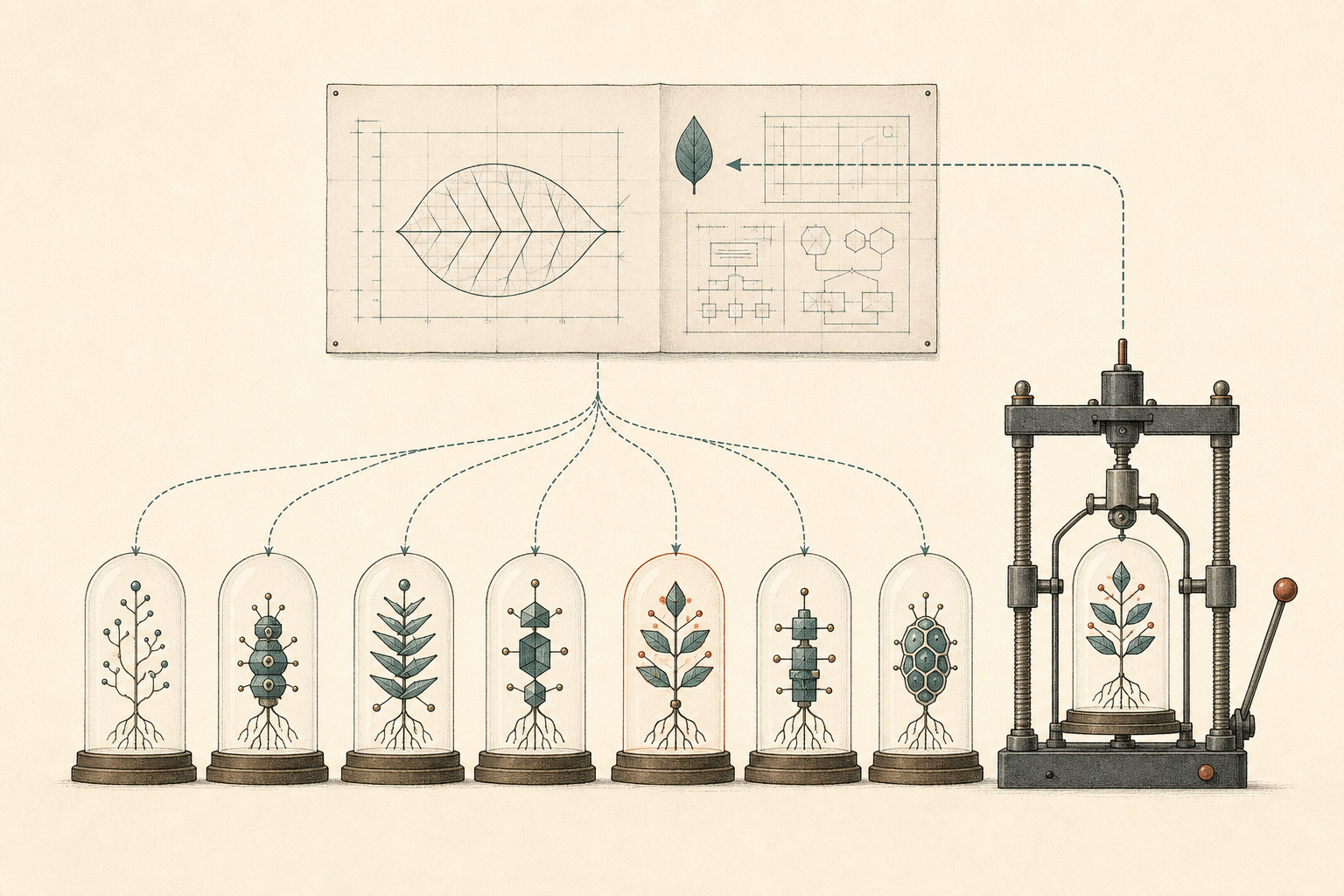
A self-reproducing code factory. The specification is the genome. An LLM creates each codebase; a mechanical test rig decides if it is viable.
View source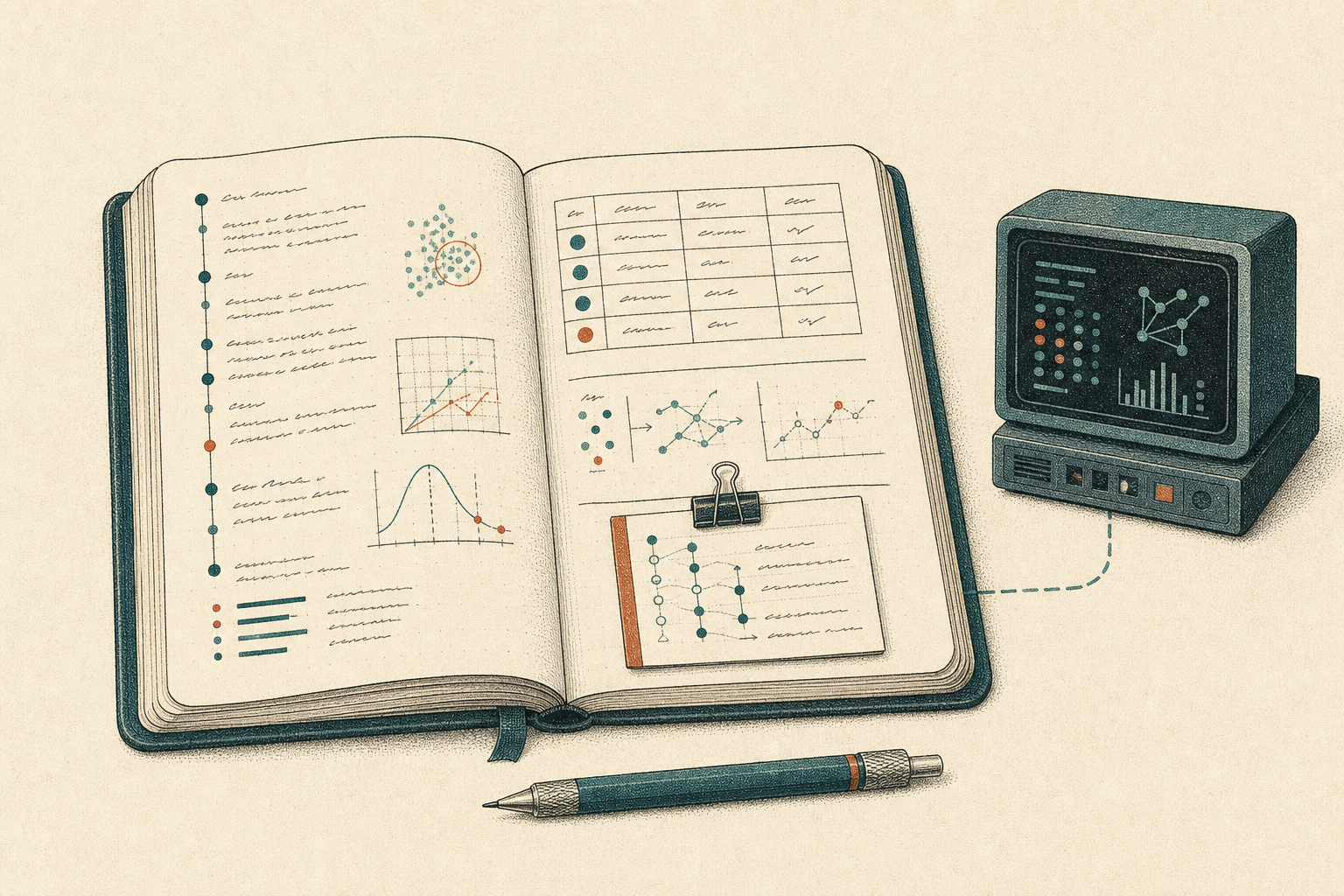
A three-file, append-only notebook for AI-assisted engineering. It records hypotheses, evidence, failures, dates, and linked commits so the next session can start with the facts.
View source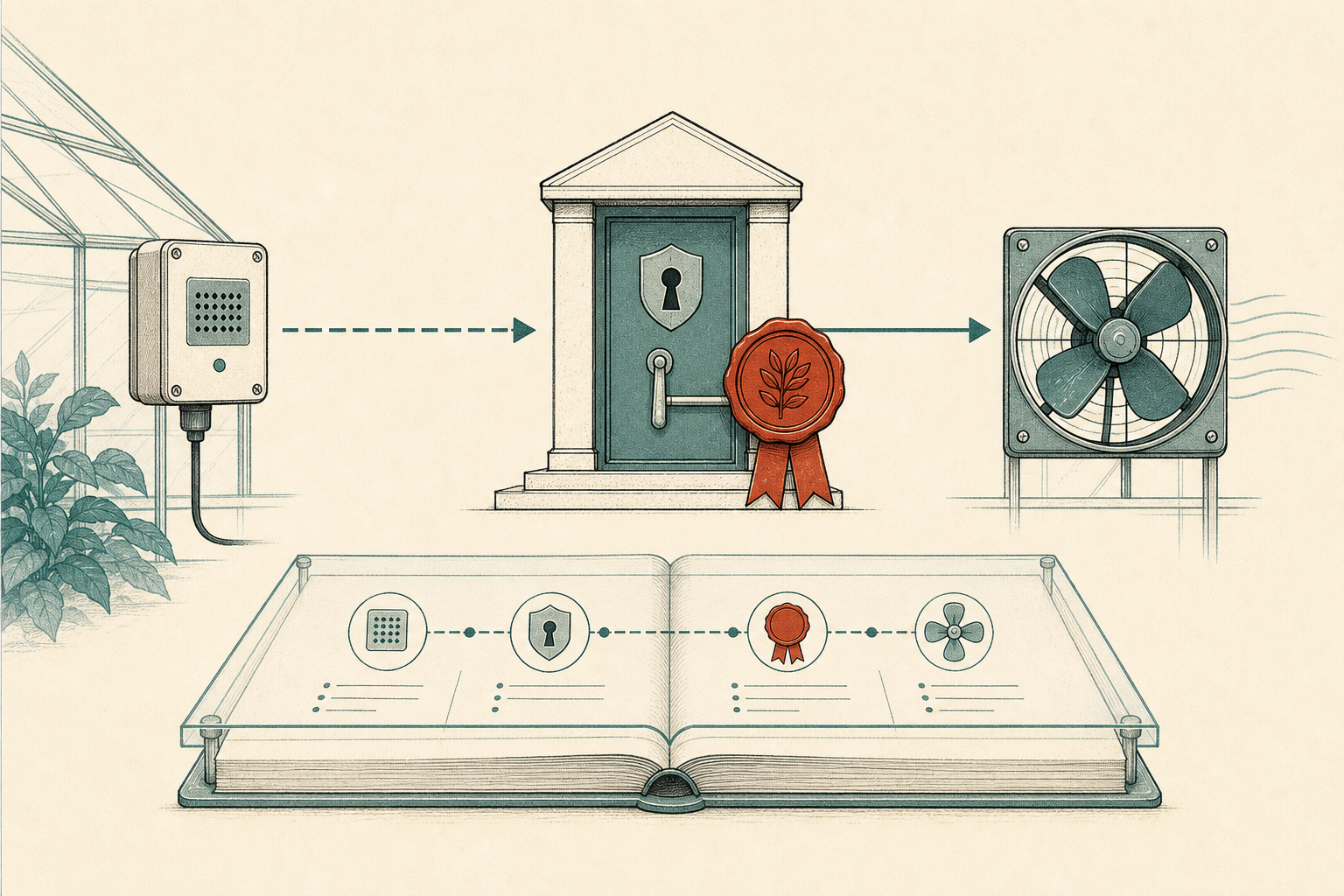
A control layer for AI-era infrastructure. It combines signed contracts, policy checks, capability grants, and a durable action record before an agent can affect a device.
View source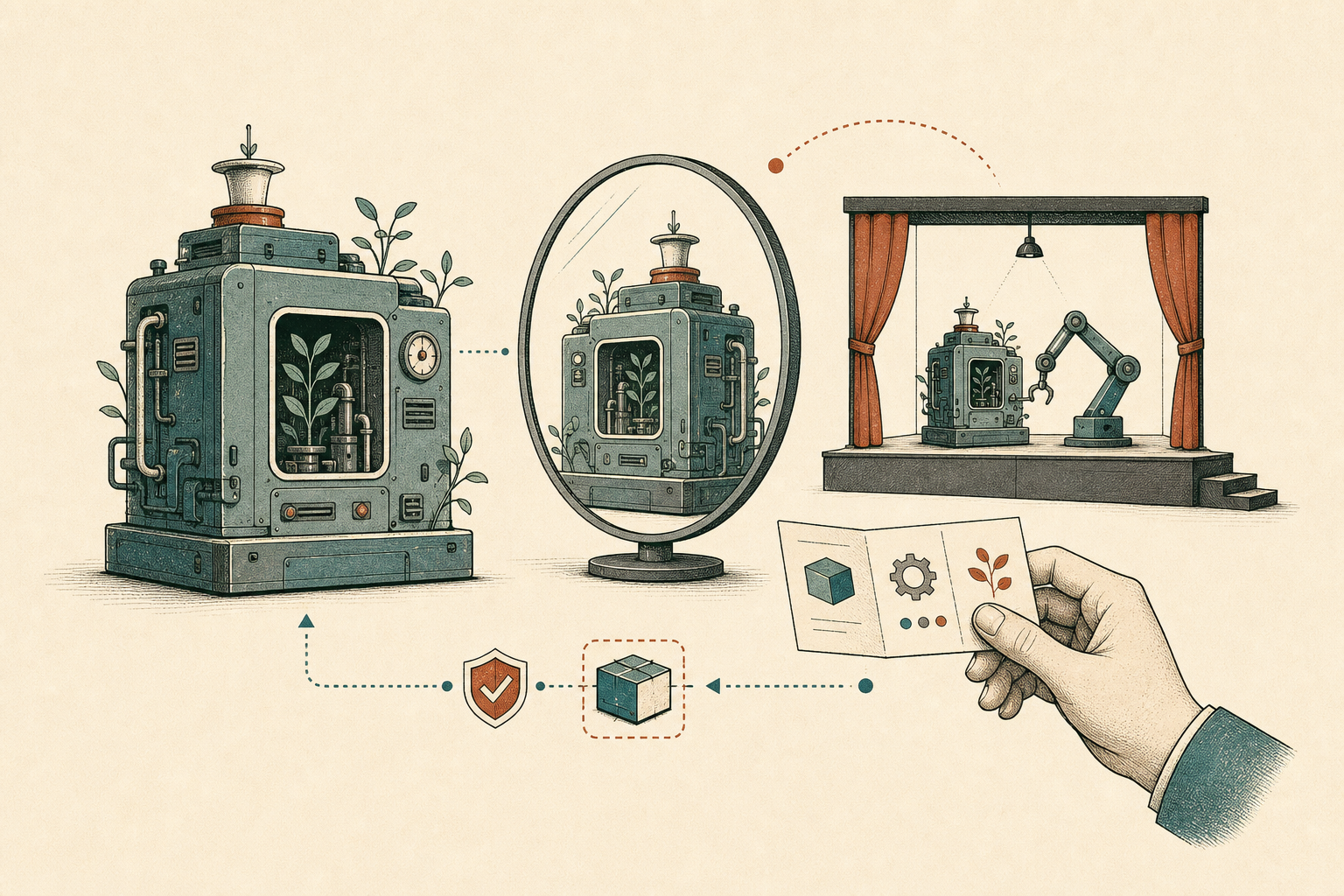
A maintenance layer for long-running Elixir systems. It makes intent, safety rules, runtime state, simulation, and review visible to AI maintainers without giving them unchecked authority.
View sourceSee the lab journal for the plain-text practice behind this work.